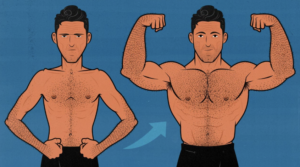
Creatine does not directly increase HGH (human growth hormone) in a significant or consistent way, but it may have a small indirect effect during intense exercise. While both creatine and HGH are associated with performance and muscle development, they work through completely different mechanisms. Creatine supports energy production in muscles, while HGH regulates growth, recovery, and metabolism. Understanding this difference is important before assuming that creatine boosts HGH levels.
What Is Creatine and How Does It Work?
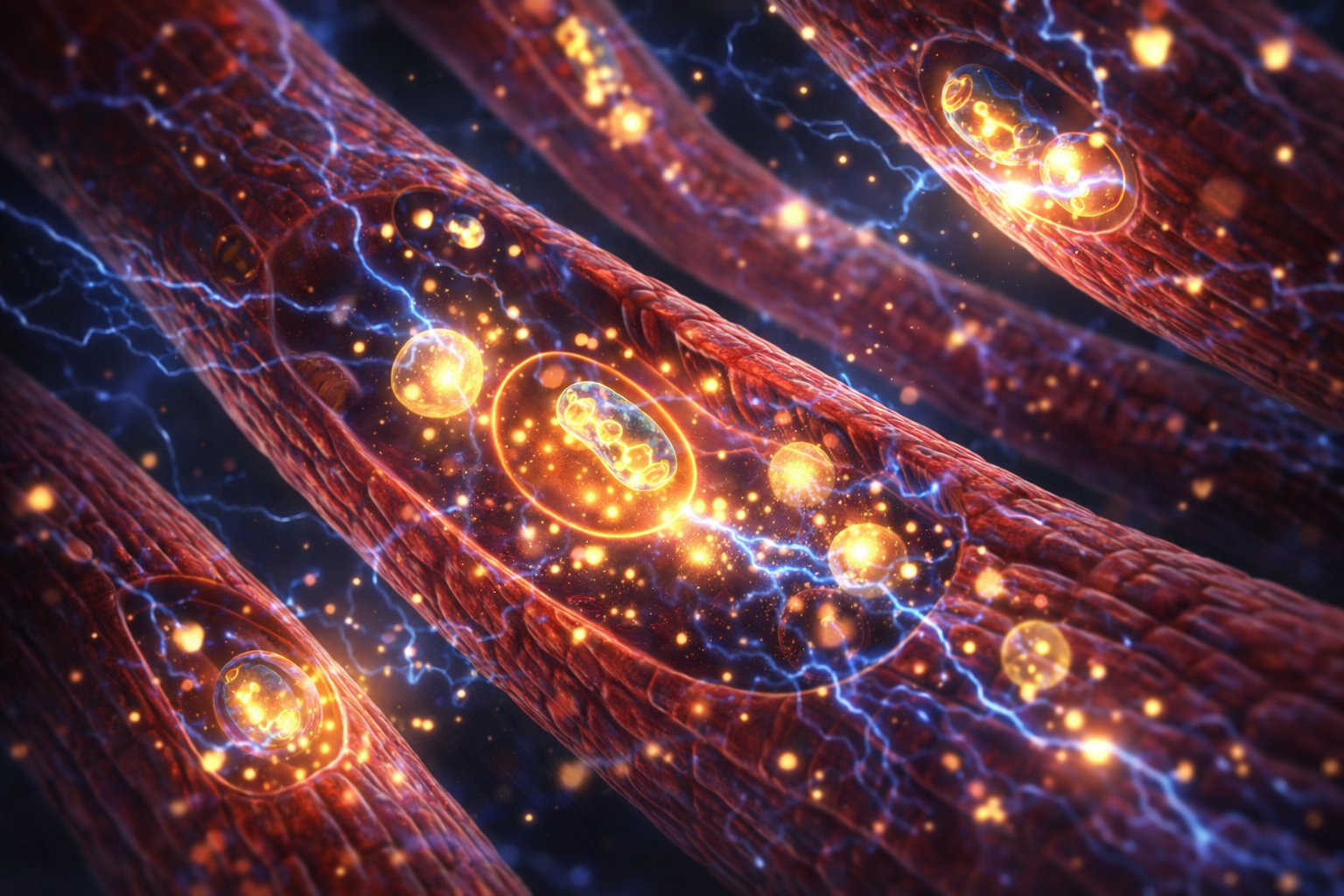
Creatine is a naturally occurring compound stored in muscle cells. It helps produce ATP (adenosine triphosphate), which is the primary energy source for short, high-intensity movements such as weightlifting or sprinting.
When you supplement with creatine, your muscles can produce more energy during workouts. This leads to improved performance, increased strength, and better training capacity over time.
Creatine does not act as a hormone. It does not directly interact with the endocrine system in the same way HGH does. It supports performance, not hormone production.
What Is HGH and Why Does It Matter?
Human Growth Hormone (HGH) is produced by the pituitary gland and plays a key role in growth, recovery, and metabolism. It is especially important for:
- muscle repair
- fat metabolism
- tissue regeneration
This is why some people associate supplements like creatine with HGH, even though they do not directly stimulate its production. HGH is hormonally regulated.
Does Creatine Increase HGH?
The question “does creatine increase HGH” has been studied, but results are limited and not conclusive.
Some research, such as findings discussed in creatine research on PubMed, suggests that creatine supplementation may slightly increase growth hormone levels after intense exercise. However, this increase is temporary and not significant enough to produce long-term hormonal changes.
This means:
- creatine may influence HGH indirectly during training
- the effect is short-term
- it does not raise baseline HGH levels
There is no strong evidence that creatine alone boosts HGH in a meaningful way. Effect is minimal and temporary.
Does Creatine Boost HGH During Exercise?
Creatine and HGH can interact during exercise, but not in a direct cause-and-effect way.
When you train intensely, your body naturally releases HGH as part of the recovery and adaptation process. Creatine enhances your ability to perform high-intensity exercise, which may indirectly contribute to this hormonal response.
In simple terms:
- creatine improves workout intensity
- intense workouts increase HGH
- creatine supports conditions, not hormone release itself
This is why some studies observe a slight increase in HGH when creatine is combined with resistance training. Training drives hormone response.
Creatine and HGH: Key Differences
Although they are often mentioned together, creatine and HGH serve very different roles in the body.
| Factor | Creatine | HGH |
|---|---|---|
| Type | Energy compound | Hormone |
| Function | ATP production | Growth & recovery |
| Effect on muscle | Performance | Development |
| Hormonal impact | None | Direct |
| Usage | Supplement | Naturally produced |
This comparison shows that creatine is not a hormonal enhancer, but a performance enhancer.
Can Creatine Replace HGH?
Creatine cannot replace HGH because they perform completely different functions.
HGH affects:
- cell growth
- recovery
- metabolism
Creatine affects:
- energy production
- strength output
- training performance
Even though both can contribute to better physical results, they do so through separate pathways.
They are not interchangeable.
Benefits of Combining Creatine and Training for HGH
While creatine does not directly boost HGH, it can still support conditions that naturally increase growth hormone levels.
These benefits include:
- improved workout intensity
- increased training volume
- better recovery between sets

All of these factors contribute to a stronger hormonal response during exercise. This is why creatine is often part of training programs focused on muscle growth and performance. Better training leads to better signals.
Common Myths About Creatine and HGH
There are several misconceptions about creatine and its relationship with HGH.
The most common myths include:
- creatine directly increases HGH levels
- creatine works like a hormone
- creatine replaces HGH in the body
- creatine causes hormonal changes
None of these claims are supported by scientific evidence. Creatine is not a hormone.
What Science Actually Shows
Research on creatine and growth hormone indicates that any increase in HGH is likely linked to exercise intensity rather than the supplement itself.
Studies referenced in creatine and growth hormone analysis from Frey Nutrition suggest that creatine may amplify training response, which indirectly influences hormonal activity.
However, this effect is:
- short-lived
- dependent on exercise
- not consistent across individuals
This reinforces the idea that creatine does not function as a direct HGH booster.
When Creatine Makes Sense
Creatine is one of the most researched and effective supplements for improving performance.
It is useful for:
- strength training
- high-intensity workouts
- muscle endurance
It helps you train harder, which may indirectly support natural hormone responses.
Final Answer: Does Creatine Boost HGH?
Creatine does not significantly increase HGH levels on its own. While it may contribute to a temporary rise in HGH during intense exercise, this effect is indirect and not sufficient to impact overall hormone levels.
Creatine improves performance, not hormone production.
Understanding this distinction helps set realistic expectations and avoid common misconceptions.
FAQ: Creatine and HGH
Does creatine increase HGH naturally?
Only indirectly during intense exercise, and the effect is temporary.
Can creatine boost HGH levels long-term?
No, there is no evidence that creatine increases baseline HGH levels.
Is creatine a hormone like HGH?
No, creatine is a compound involved in energy production, not a hormone.
Should I take creatine to increase HGH?
Creatine should be used for performance, not for boosting hormone levels.
Do creatine and HGH work together?
They can complement each other during training, but they act through different mechanisms.