Human Growth Hormone (HGH) is one of the most popular and powerful compounds used in bodybuilding, anti-aging, and performance enhancement. Often surrounded by myths and misconceptions, HGH plays a vital role in human physiology. This detailed guide explains what HGH is, how it works, its benefits, potential risks, and important practical information including the half life of HGH.
What Is HGH and How Does It Work?
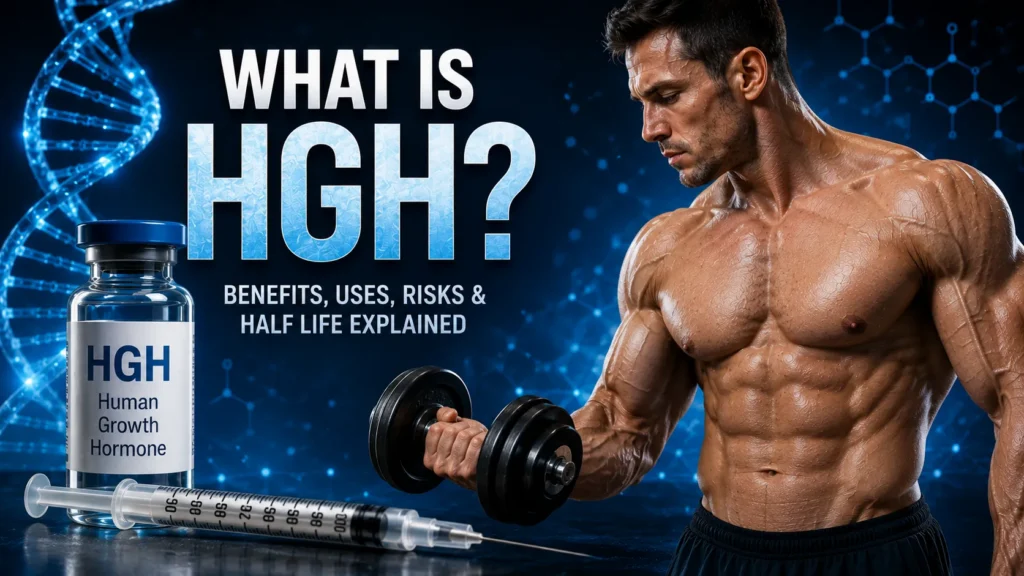
Human Growth Hormone, also known as somatotropin, is a peptide hormone naturally produced by the anterior pituitary gland. It is essential for growth, cell regeneration, and maintaining healthy body composition throughout life. In children and adolescents, HGH is primarily responsible for linear growth. In adults, it continues to regulate metabolism, muscle mass, bone density, and fat distribution.
Synthetic HGH, which is identical to the naturally occurring hormone, became available through recombinant DNA technology in the 1980s. Today it is widely used in medicine to treat growth hormone deficiency, muscle wasting conditions, and certain age-related issues. In the fitness and bodybuilding community, HGH is valued for its ability to promote lean muscle growth, accelerate fat loss, improve recovery, and enhance overall physical appearance.
The hormone works by stimulating the liver to produce Insulin-like Growth Factor 1 (IGF-1), which mediates most of the anabolic and growth-promoting effects. HGH also has direct effects on tissues, increasing protein synthesis and fat breakdown while preserving muscle during calorie restriction.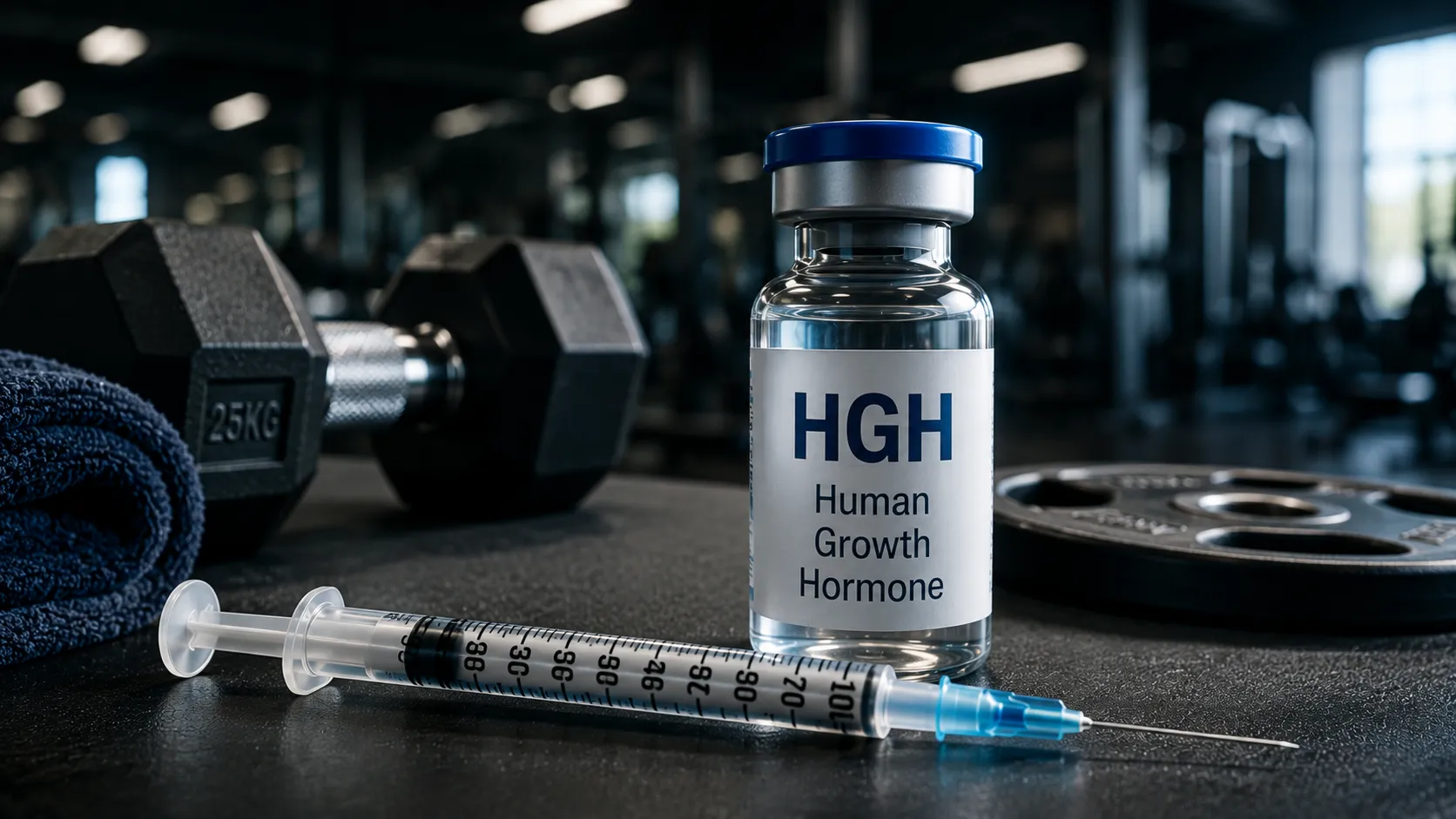
Benefits of HGH in Bodybuilding and Performance
Athletes and bodybuilders use HGH for several key reasons. It helps build high-quality lean muscle tissue with minimal water retention compared to anabolic steroids. Many users report improved skin quality, faster recovery from intense training sessions, better joint health, and deeper sleep. HGH is often stacked with anabolic steroids to amplify results and reduce some side effects.
Beyond bodybuilding, HGH is popular in anti-aging protocols because it can improve energy levels, skin elasticity, bone density, and cognitive function in older individuals. However, it is important to understand that results depend on dosage, duration, diet, training, and individual response.
Half Life of HGH – Why It Matters
One of the most important pharmacological properties of HGH is its half life of HGH. Understanding the HGH half life is crucial for proper dosing frequency and achieving stable blood levels.
The half life of HGH after subcutaneous injection is relatively short — typically between 2 to 4 hours. Some studies show an average HGH half life of approximately 3.5 hours in healthy adults. Because of this short duration, HGH is usually injected daily or even split into two doses per day to maintain elevated levels throughout the 24-hour period.
The HGH half life can vary slightly depending on the individual’s metabolism, injection site, and whether it is pharmaceutical-grade or generic somatropin. Due to the short half life of HGH, consistent daily administration is recommended for best results in bodybuilding and therapeutic contexts.
Factors That Influence HGH Half Life
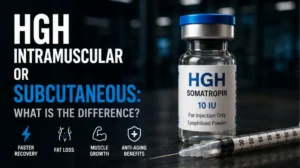
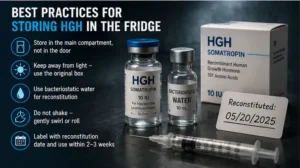
Several factors can affect how long HGH remains active in the body. Age, liver and kidney function, body fat percentage, and injection method all play a role. Subcutaneous injections generally provide a slightly longer effective duration compared to intramuscular ones. Proper storage and reconstitution of HGH vials are also important to maintain potency and ensure predictable pharmacokinetics.
How to Use HGH Effectively
Proper usage of HGH requires attention to dosage, timing, and cycle length. Beginners often start with 2–4 IU per day, while more experienced users may run 4–8 IU daily. Advanced bodybuilders sometimes use higher doses (8–15 IU) during contest preparation, but this increases the risk of side effects.
HGH is commonly used in cycles lasting 3 to 6 months or longer. Because of the short half life of HGH, many users split their daily dose — for example, one injection in the morning and another post-workout or before bed. Some prefer taking the entire dose at night to mimic the body’s natural pulsatile release of growth hormone during deep sleep.
HGH and Fat Loss
One of the most appreciated effects of HGH is its ability to promote fat metabolism. By increasing lipolysis, HGH helps the body use stored fat as energy, particularly in stubborn areas like the abdomen. When combined with a proper diet and cardio, HGH can significantly improve body composition. The HGH half life plays a role here too — maintaining steady levels throughout the day supports continuous fat-burning processes.
Potential Side Effects of HGH
Like any powerful hormone, HGH carries risks when misused. Common side effects include water retention, joint pain (carpal tunnel syndrome), numbness in extremities, and elevated blood sugar levels. Long-term high-dose use can lead to insulin resistance, gynecomastia in some cases, and abnormal organ or bone growth (acromegaly-like symptoms).
To minimize risks, it is recommended to start with lower doses, monitor blood work regularly (especially IGF-1, glucose, and thyroid levels), and never exceed necessary dosages for extended periods.
Common HGH Dosages by Goal
| Goal | Daily Dosage | Typical Cycle Length | Notes |
| Anti-Aging / Recovery | 1–3 IU | 3–6 months | Low dose, long term |
| Bodybuilding (Beginner) | 3–5 IU | 4–6 months | Combined with steroids |
| Advanced Fat Loss | 4–8 IU | 3–5 months | Split doses recommended |
| Professional Level | 8–15+ IU | 4–6 months | High risk of side effects |
Supplements That Can Support HGH Production
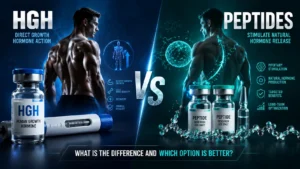
While synthetic injectable HGH is the most effective form, certain natural supplements may help support the body’s own growth hormone release.
List 1: Natural Ways to Support HGH Levels
- High-intensity interval training (HIIT) and heavy resistance training
- Adequate deep sleep (7–9 hours per night)
- Intermittent fasting or time-restricted eating
- Arginine, ornithine, and glutamine supplementation before bed
- GABA and melatonin for improved sleep quality
HGH vs Anabolic Steroids
Many users wonder how HGH compares to traditional anabolic steroids. While steroids primarily increase muscle protein synthesis through androgen receptors, HGH works through different pathways — mainly IGF-1 and direct metabolic effects. HGH tends to produce a “cleaner” look with less water retention and is excellent for fat loss and recovery. It is frequently stacked with steroids for synergistic effects.
Table 2: HGH vs Anabolic Steroids
| Aspect | HGH | Anabolic Steroids |
| Primary Effect | Growth, fat loss, recovery | Muscle mass, strength |
| Water Retention | Moderate | Often high |
| Half Life | Short (2–4 hours) | Varies by ester |
| Detection Time | Several days | Weeks to months |
| Main Benefit | Body recomposition | Rapid size and strength gains |
Medical Uses of HGH
In clinical settings, HGH is prescribed for children with growth disorders, adults with documented growth hormone deficiency, and patients recovering from severe burns or surgery. It is a tightly regulated prescription medication in most countries. Using HGH without medical supervision for performance enhancement carries legal and health risks.
Understanding the half life of HGH and proper administration techniques is essential for anyone considering its use, whether for therapeutic or aesthetic purposes. Responsible use, regular health monitoring, and realistic expectations are key to maximizing benefits while minimizing potential risks.