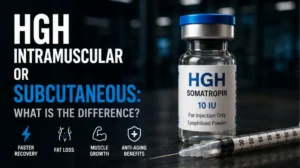
In bodybuilding, HGH injections for sale are commonly discussed in relation to recovery, body composition, and muscle-support goals. One of the most debated topics is whether HGH should be administered through intramuscular or subcutaneous injections. Both methods are used in medical and fitness-related settings, but they differ in absorption speed, injection depth, comfort, and overall practicality. Understanding the differences between HGH intramuscular and subcutaneous injections is important because injection method may influence user experience, consistency, and potential side effects.
What Is HGH And How It Works
Human growth hormone, commonly called HGH, is a peptide hormone naturally produced by the pituitary gland. It plays a major role in growth, tissue repair, metabolism, recovery, and body composition. In bodybuilding and fitness communities, HGH is often associated with recovery support, lean muscle maintenance, and fat metabolism.
Synthetic HGH products are designed to replicate the biological activity of naturally produced growth hormone. After administration, HGH interacts with receptors in the body and stimulates several pathways connected with recovery and metabolism. One of the most important pathways involves IGF-1, or insulin-like growth factor 1, which is linked with tissue repair and growth-related processes.
Although HGH is frequently discussed in bodybuilding, it is not considered a standard fitness supplement. HGH directly affects hormone balance and metabolism, which is why pharmaceutical-grade products are regulated and typically require medical supervision.
Some commonly discussed HGH-related effects include:
- support for tissue recovery;
- influence on body composition;
- metabolic and hormone-related activity.
HGH And Muscle Growth
HGH is often associated with muscle growth because of its connection with recovery, protein synthesis, and IGF-1 activity. In bodybuilding, many users believe HGH may help support recovery between workouts and improve overall training capacity.
However, HGH does not work in the same way as anabolic steroids. Its role is more closely connected with tissue repair, metabolic regulation, and recovery processes rather than direct rapid muscle gain alone. Results can vary depending on training quality, nutrition, recovery habits, and individual hormone response.
Common HGH Injection Methods
The two most common HGH injection methods are subcutaneous injections and intramuscular injections. Subcutaneous HGH injections place the hormone into the fatty layer beneath the skin, while intramuscular injections deliver HGH directly into muscle tissue.
Subcutaneous injections are generally considered simpler and more commonly used for routine HGH therapy. Intramuscular injections are sometimes discussed in bodybuilding communities because some users believe they may influence absorption speed differently. However, both methods require proper hygiene, sterile handling, and careful technique to reduce the risk of complications.
Subcutaneous HGH Injections
Subcutaneous HGH injections involve administering human growth hormone into the fatty tissue located just beneath the skin. This method is one of the most commonly used approaches for HGH therapy because it is generally considered easier, less invasive, and more comfortable for routine administration compared to deeper injection techniques.
Subcutaneous injections are often performed in areas where a small amount of body fat is present, such as the abdomen or thigh region. Because the injection enters fatty tissue rather than muscle, the needle size is typically smaller, which may reduce discomfort during administration. Many prescription HGH products are specifically designed and tested for subcutaneous use under medical supervision.

One reason subcutaneous HGH injections are popular is their practicality for long-term therapy routines. Users may find this method easier to perform consistently because it usually requires less injection depth and simpler handling compared to intramuscular injections. In addition, the slower absorption associated with fatty tissue may provide a more gradual release pattern for some users.
However, injection method alone does not determine results. Factors such as dosage, product quality, hormone response, sleep, training, recovery, and overall health may have a greater influence on outcomes than the exact injection route itself.
| Feature | Subcutaneous HGH Injection |
|---|---|
| Injection area | Fatty tissue under the skin |
| Needle size | Usually smaller and shorter |
| Common use | Routine HGH therapy |
| Absorption | Often more gradual |
Subcutaneous injections still require proper sterile handling and storage practices. Poor hygiene, incorrect technique, or repeated injections into the same location may increase the risk of irritation, swelling, or local discomfort.
Benefits Of Subcutaneous HGH
One of the main benefits of subcutaneous HGH injections is convenience. Many users find this method easier to perform consistently because it usually involves smaller needles and less injection discomfort compared to intramuscular administration.
Subcutaneous injections are also commonly recommended in medical HGH therapy because they allow relatively stable absorption and are practical for long-term use. In addition, the technique may feel less intimidating for people with limited injection experience.
Potential Drawbacks
Despite being widely used, subcutaneous HGH injections may still have some drawbacks. Some users report mild swelling, redness, irritation, or temporary discomfort at the injection site, especially when injection locations are repeated too frequently.
Another limitation is that absorption speed may differ compared to intramuscular injections. While some people prefer slower absorption patterns, others in bodybuilding communities believe intramuscular injections may produce different timing effects. However, responses can vary significantly between individuals.
Intramuscular HGH Injections
Intramuscular HGH injections involve administering human growth hormone directly into muscle tissue rather than into the fatty layer beneath the skin. In bodybuilding communities, this method is sometimes discussed because some users believe it may influence absorption speed differently compared to subcutaneous injections. However, intramuscular administration is generally considered more technically demanding and may require greater attention to injection technique and sterile handling.

Intramuscular injections are typically performed using longer needles because the hormone must reach muscle tissue instead of remaining within subcutaneous fat. Common injection sites may include larger muscle groups such as the shoulder, thigh, or gluteal muscles. Because the injection enters deeper tissue, some users may experience more discomfort compared to subcutaneous HGH administration.
One reason intramuscular HGH injections are debated in bodybuilding is the belief that muscle tissue may absorb HGH more rapidly than fatty tissue. Faster absorption could theoretically affect how quickly HGH enters circulation. However, practical differences between methods may vary depending on the product, dosage, metabolism, and individual hormone response.
At the same time, intramuscular injections may increase the importance of proper technique. Incorrect needle placement, poor sterile handling, or repeated injections into the same muscle area can increase the risk of soreness, irritation, bruising, or tissue-related complications.
Several factors commonly associated with intramuscular HGH injections include:
- deeper injection depth;
- potentially faster absorption;
- larger needle requirements;
- greater emphasis on injection technique.
| Feature | Intramuscular HGH Injection |
|---|---|
| Injection area | Muscle tissue |
| Needle size | Usually longer |
| Common discussion | Faster absorption claims |
| Injection complexity | Generally higher |
Although some bodybuilding discussions favor intramuscular HGH administration, there is no universal agreement that it consistently produces superior results. Overall recovery, training quality, sleep, nutrition, and hormone management often play a much larger role in outcomes than injection route alone.
Intramuscular Injection Benefits
One potential benefit of intramuscular HGH injections is the possibility of faster absorption into circulation compared to subcutaneous administration. Some bodybuilding users believe this may influence timing-related effects, particularly around workouts or recovery routines.
Another perceived advantage is reduced fluid buildup under the skin at the injection site because the hormone is delivered directly into muscle tissue rather than subcutaneous fat. However, user experiences can vary, and faster absorption does not automatically guarantee better bodybuilding results or improved recovery outcomes.
Which HGH Injection Method Is Better For Bodybuilding
The question of whether intramuscular or subcutaneous HGH injections are better for bodybuilding does not have one universal answer. Both methods are used, and each has advantages and limitations depending on the user’s goals, comfort level, experience, and overall HGH routine.
Subcutaneous HGH injections are generally more common in medical therapy because they are practical, easier to administer, and often more comfortable for long-term use. Smaller needles and simpler injection techniques may make this method more manageable for consistent administration. Many pharmaceutical HGH products are also specifically designed and tested for subcutaneous use.
Intramuscular HGH injections are sometimes preferred in bodybuilding communities because of claims regarding faster absorption and timing-related effects. However, the actual difference in results may not be as dramatic as online discussions often suggest. Recovery, training intensity, nutrition, sleep quality, dosage consistency, and individual hormone response are usually more important factors for bodybuilding progress than the exact injection route itself.
Some users may also choose a method based on personal comfort or injection experience. Intramuscular injections typically require longer needles and more precise technique, while subcutaneous injections may feel less intimidating for beginners.
| Comparison Factor | Subcutaneous | Intramuscular |
|---|---|---|
| Ease of use | Simpler | More technical |
| Needle discomfort | Usually lower | Often higher |
| Absorption speed | More gradual | Potentially faster |
| Common use | Medical HGH therapy | Bodybuilding discussions |
Ultimately, neither method guarantees superior bodybuilding results on its own. Consistency, product quality, safe administration practices, and overall health management are far more important than choosing one injection route based purely on online opinions or anecdotal claims.