Proper HGH storage is one of the most important factors affecting the stability and quality of human growth hormone products. Many people ask how long HGH lasts in the fridge because storage conditions can directly influence potency, effectiveness, and safety. HGH is a temperature-sensitive peptide hormone that requires careful handling after manufacturing and especially after mixing. Incorrect refrigeration, temperature fluctuations, or poor storage practices may reduce product quality and increase the risk of contamination or degradation.
What Is HGH And Why Storage Matters
Human growth hormone, commonly called HGH, is a peptide hormone naturally produced by the pituitary gland. It plays an important role in growth, tissue repair, metabolism, recovery, and body composition. Pharmaceutical HGH products are manufactured to replicate natural growth hormone and are commonly used in medical hormone therapy under professional supervision.
Unlike ordinary supplements or tablets, HGH is a biologically active protein structure that can become unstable if exposed to incorrect temperatures, moisture, light, or contamination. Because of this, storage conditions are extremely important for maintaining product stability and effectiveness. HGH products often require refrigeration to help preserve the integrity of the hormone molecule over time.
Improper storage may reduce potency even if the product still looks normal from the outside. This is why manufacturers provide detailed instructions regarding refrigeration, mixing, transportation, and expiration timelines. Understanding these storage guidelines helps reduce the risk of damaged or ineffective HGH products.
Several factors can affect HGH stability:
- storage temperature;
- exposure to light and moisture;
- whether the HGH has been mixed or remains unmixed;
- transportation and handling conditions.
Types Of HGH Products
HGH products are available in different forms depending on the manufacturer and intended use. Some HGH products come as lyophilized powder that must be mixed before use, while others are available in prefilled pens or liquid formulations. Unmixed HGH powder is generally more stable during storage compared to mixed HGH solutions.
Certain pharmaceutical HGH products are packaged in multidose vials, while others use cartridge systems designed for injection pens. Storage recommendations may vary slightly between products, which is why manufacturer instructions should always be followed carefully.
Why HGH Is Temperature Sensitive
HGH is temperature sensitive because it is a peptide-based hormone with a delicate protein structure. Exposure to excessive heat, freezing temperatures, direct sunlight, or repeated temperature fluctuations can damage the hormone and reduce its biological activity.
Protein-based medications such as HGH are more fragile than many standard pharmaceuticals. If the hormone structure begins to break down, the product may lose effectiveness even before the expiration date. This is why refrigeration is commonly recommended for both unopened and mixed HGH products, especially after reconstitution.
How Long HGH Lasts In The Fridge
The amount of time HGH lasts in the fridge depends on several factors, including whether the product is mixed or unmixed, the manufacturer’s formulation, refrigeration consistency, and overall handling conditions. In general, unopened HGH products stored correctly in refrigeration may remain stable until the labeled expiration date provided by the manufacturer. However, once HGH is mixed with bacteriostatic water or another solution, storage timelines often become much shorter.
Refrigeration helps slow down the breakdown of the hormone structure and reduces the risk of bacterial contamination after mixing. Most HGH products are designed to be stored at controlled refrigerator temperatures rather than room temperature for extended periods. Keeping HGH in stable refrigeration conditions is especially important because repeated warming and cooling may affect hormone stability.
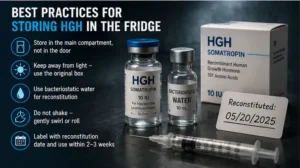
Storage recommendations can vary between pharmaceutical brands, but many manufacturers advise storing HGH between approximately 36°F and 46°F (2°C to 8°C). Exposure to temperatures outside this range may reduce product quality. Freezing is also generally discouraged because ice crystal formation can damage peptide structures.
Several storage factors influence how long HGH remains stable in the fridge:
- whether the HGH is mixed or unmixed;
- consistency of refrigeration temperature;
- protection from light exposure;
- handling and contamination risk during use.
Even when refrigerated properly, HGH should not be used beyond manufacturer expiration guidelines or after visible signs of degradation appear.
Unmixed Vs Mixed HGH
Unmixed HGH powder generally lasts longer in refrigeration than mixed HGH solutions. Lyophilized HGH powder is designed to remain more stable during storage because the hormone is in a dry form before reconstitution.
Once HGH is mixed with bacteriostatic water or another liquid, the product becomes more sensitive to contamination and degradation. Refrigeration can help preserve stability after mixing, but the usable storage period is usually shorter compared to unopened powder formulations. For this reason, many manufacturers recommend using mixed HGH within a limited timeframe after reconstitution.
Manufacturer Storage Guidelines
Manufacturer storage guidelines are important because different HGH products may have different stability profiles and refrigeration requirements. Pharmaceutical companies test their products under controlled conditions to determine recommended storage temperatures and expiration timelines.
Some products may remain stable longer after mixing, while others require faster use after reconstitution. Most manufacturers recommend refrigeration, protection from direct light, and avoiding freezing. Following official storage instructions is one of the safest ways to maintain HGH quality and reduce the risk of reduced potency or contamination.

Best Temperature For HGH Storage
The best temperature for HGH storage is usually within normal refrigerator conditions, generally between 36°F and 46°F (2°C to 8°C). This temperature range helps preserve the stability of the hormone and reduces the risk of degradation caused by heat exposure or bacterial growth. Since HGH is a peptide-based medication with a sensitive protein structure, maintaining a stable refrigeration environment is extremely important for preserving product quality.
One of the biggest storage mistakes is exposing HGH to frequent temperature fluctuations. Constant warming and cooling can place stress on the hormone structure and may reduce effectiveness over time. This is why HGH should not be repeatedly removed from refrigeration for long periods unless necessary during preparation or use.
Freezing is another issue that should generally be avoided unless specifically allowed by the manufacturer. Extremely cold temperatures may damage peptide structures and affect hormone stability. In addition, storing HGH too close to refrigerator cooling vents or freezer compartments may accidentally expose the product to freezing conditions.
Proper HGH refrigeration practices usually include:
- storing the product in the main refrigerator compartment;
- avoiding direct contact with freezer sections;
- protecting the vial or pen from direct light exposure;
- minimizing unnecessary temperature changes.
The refrigerator itself should also remain reliable and consistent. Poorly functioning refrigerators, travel coolers without stable cooling, or leaving HGH inside vehicles for long periods may increase the risk of temperature-related damage. Even short exposure to excessive heat may affect certain HGH products.
Travel And Transportation Tips
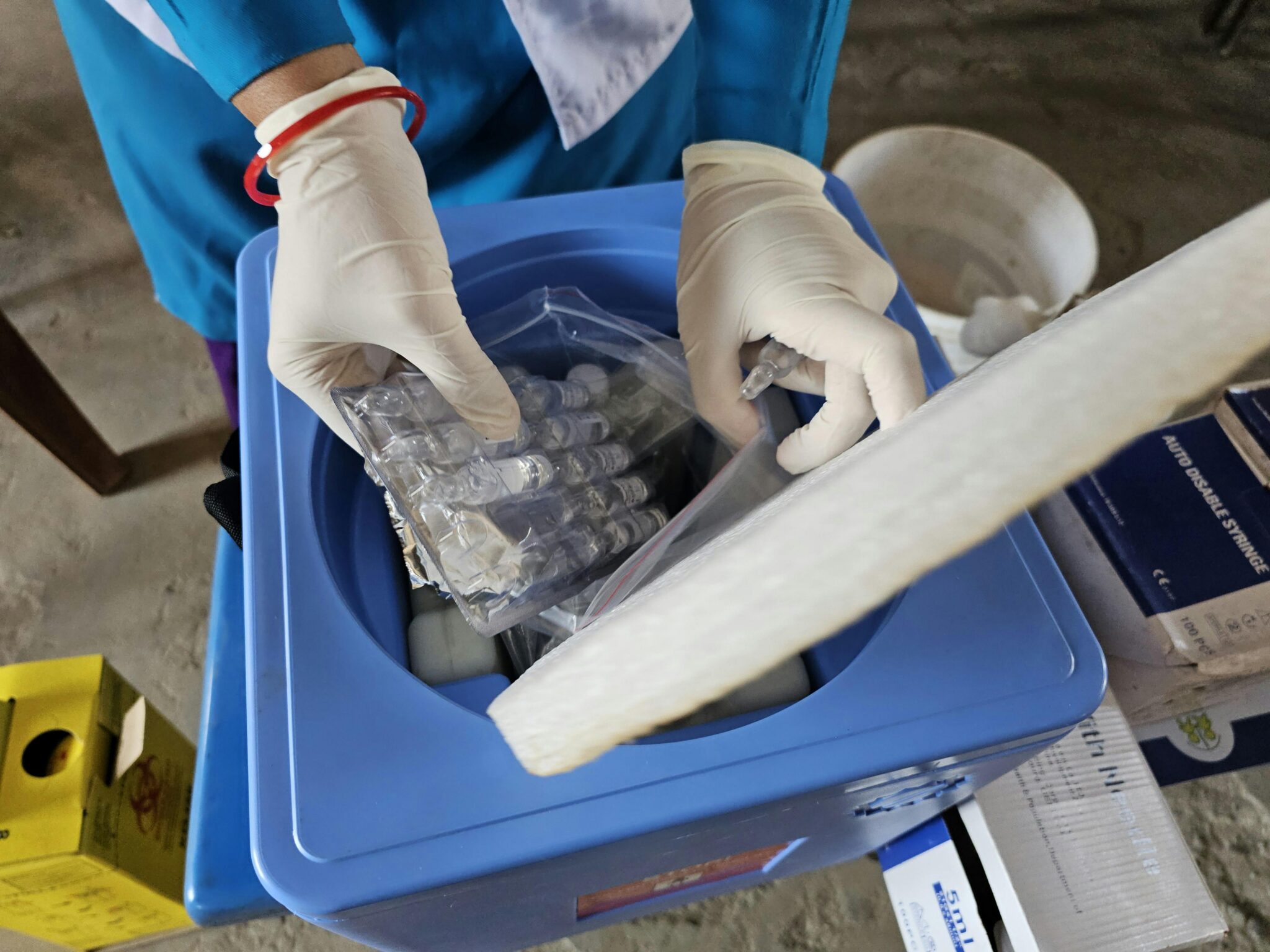
Travel and transportation can create additional storage challenges for HGH products because maintaining stable refrigeration is not always easy outside normal home conditions. During travel, HGH should ideally be transported using insulated medical cooling bags or portable refrigeration systems designed for temperature-sensitive medications.
Long exposure to heat, direct sunlight, or hot vehicles should be avoided because elevated temperatures may reduce product stability. When flying, many people choose to keep HGH products in carry-on luggage instead of checked baggage to help maintain safer temperature conditions.
It is also important to minimize unnecessary shaking or rough handling during transportation. Following manufacturer recommendations and planning refrigeration access in advance can help reduce the risk of temperature-related damage while traveling.
Signs HGH Has Gone Bad
Recognizing signs that HGH has gone bad is important for maintaining both product safety and effectiveness. Even when HGH has been refrigerated, improper handling, contamination, temperature fluctuations, or storage beyond recommended timelines may affect the hormone structure. In some cases, damaged HGH may become visibly different, while in others the changes may not be immediately obvious.
One common warning sign is a change in appearance. HGH solutions are typically expected to remain clear after mixing. If the liquid becomes cloudy, discolored, or develops visible particles, the product may no longer be safe to use. Clumping, unusual texture changes, or floating material can also indicate contamination or protein degradation.
Changes in smell may also suggest a problem. While HGH products are generally odorless or have minimal smell, unusual odors could indicate contamination or breakdown of the solution. In addition, damaged packaging, cracked vials, leaking cartridges, or compromised seals may increase the risk of bacterial exposure.
Possible signs HGH has gone bad include:
- cloudy or discolored liquid;
- visible particles or clumps;
- unusual smell;
- damaged vial, cartridge, or packaging.
Another issue is loss of effectiveness. Improperly stored HGH may gradually lose potency even if there are no obvious visual signs. A product exposed to heat or unstable refrigeration may no longer maintain the same biological activity as properly stored HGH.
Using degraded HGH may increase the risk of irritation, reduced effectiveness, or contamination-related complications. If there is uncertainty about product quality, manufacturer recommendations and medical guidance should always be followed before use.