
Human growth hormone is known as one of the most expensive hormone-related products on the market. Many people researching HGH therapy, fitness recovery, or anti-aging treatments are surprised by the high cost compared to regular supplements or medications. The price of HGH is influenced by several factors, including advanced manufacturing technology, strict pharmaceutical regulations, scientific research, and limited legal availability. Since HGH is a biologically active hormone rather than a standard supplement, producing and distributing it requires far more control, testing, and medical oversight than many people realize.
What Is HGH And Why It Is Used
HGH, or human growth hormone, is a peptide hormone naturally produced by the pituitary gland. It plays an important role in growth, metabolism, tissue repair, and body composition. During childhood and adolescence, HGH supports normal physical development, while in adults it continues helping regulate recovery, muscle maintenance, and metabolic processes.
Synthetic HGH was developed to replicate the structure and biological activity of natural growth hormone. Pharmaceutical versions of HGH are produced through recombinant DNA technology in highly controlled laboratory environments. Because HGH directly affects several systems in the body, its use requires medical supervision and strict quality standards.
Today, HGH is discussed in different areas, including medicine, sports recovery, bodybuilding, and anti-aging therapy. However, the hormone is not considered a casual wellness supplement. Its production process is complex, and legitimate HGH products must meet pharmaceutical safety requirements before they can be legally distributed.
Some of the most common reasons HGH is used include:
- treatment of diagnosed growth hormone deficiency;
- support for growth-related medical conditions;
- recovery and metabolic support in certain therapies.
Medical Uses Of HGH
In medicine, HGH is primarily used to treat patients with diagnosed growth hormone deficiency or other specific health conditions related to growth and metabolism. Doctors may prescribe HGH for children with growth disorders or adults whose bodies do not produce enough natural growth hormone.
In some cases, HGH therapy may also be used for muscle-wasting conditions, recovery support, or hormone-related disorders under professional supervision. Because HGH directly affects metabolism and tissue growth, treatment requires monitoring, blood testing, and dosage adjustments to reduce the risk of side effects or hormone imbalance.

HGH In Fitness And Anti-Aging
HGH has become popular in fitness and anti-aging communities because many people associate it with recovery, lean muscle maintenance, fat metabolism, and youthful appearance. Athletes and bodybuilders often discuss HGH in connection with recovery support and body composition changes.
At the same time, anti-aging clinics sometimes promote HGH as part of wellness or longevity programs. However, many claims surrounding HGH are exaggerated, and the hormone should not be viewed as a simple shortcut to improved physical performance or youthfulness. Since HGH is a prescription hormone, its use should always involve medical evaluation and professional guidance.
Why HGH Costs So Much
One of the main reasons HGH costs so much is the complexity of producing a pharmaceutical-grade hormone product. Unlike ordinary supplements that can be manufactured through relatively simple chemical processes, HGH must be created using advanced biotechnology methods. This includes recombinant DNA technology, sterile laboratory production, purification systems, and extensive quality-control testing.
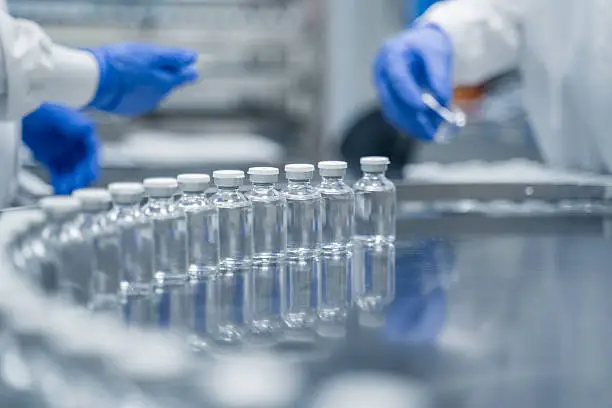
The manufacturing process alone requires highly specialized facilities and trained professionals. HGH products must remain stable, sterile, and biologically active throughout production, packaging, transportation, and storage. Even small contamination issues can affect product safety and effectiveness, which is why pharmaceutical companies invest heavily in controlled environments and testing procedures.
Another major factor behind HGH pricing is the cost of scientific research and regulatory approval. Before HGH products can legally reach the market, manufacturers must conduct clinical studies, safety evaluations, and certification processes. These procedures are expensive and can take years to complete.
In addition, HGH is tightly regulated in many countries. Legal distribution usually requires medical prescriptions, licensed pharmacies, and ongoing monitoring. Since only a limited number of pharmaceutical companies are authorized to produce legitimate HGH products, market competition remains relatively small compared to common supplements or medications.
Several factors contribute to the high price of HGH:
- advanced biotechnology manufacturing;
- pharmaceutical safety testing and purification;
- research, certification, and regulatory approval;
- cold storage and transportation requirements.
Complex Manufacturing Process
The HGH manufacturing process is far more complicated than producing standard supplements or tablets. Pharmaceutical HGH is created through recombinant DNA technology, where specially engineered cells produce synthetic human growth hormone proteins in controlled laboratory conditions.
After production, the hormone must go through multiple purification stages to remove impurities and ensure consistency. Manufacturers also need sterile facilities, specialized storage systems, and strict temperature control during packaging and transportation. These requirements significantly increase production costs and are one of the biggest reasons HGH products remain expensive worldwide.
Research And Development Costs
Research and development costs also play a major role in HGH pricing. Before a pharmaceutical HGH product can be legally approved, companies must complete years of laboratory research, clinical testing, and regulatory evaluation.
These studies are designed to confirm product safety, effectiveness, and manufacturing consistency. In addition to scientific research, companies must pay for certification, quality inspections, and ongoing compliance with pharmaceutical regulations. Since HGH directly affects hormone balance and metabolism, manufacturers are required to meet extremely strict medical standards, which increases the final cost for consumers.
Legal Restrictions And HGH Regulations
Legal restrictions and pharmaceutical regulations are another major reason why HGH is expensive. In many countries, human growth hormone is classified as a prescription-only medication because it directly affects metabolism, tissue growth, hormone balance, and recovery processes. This means HGH cannot be legally sold in the same way as regular supplements or over-the-counter wellness products.
Pharmaceutical companies producing HGH must follow strict government and medical regulations. These rules cover manufacturing standards, product testing, storage conditions, transportation methods, and distribution procedures. Regulatory agencies also require ongoing inspections and quality-control monitoring to ensure HGH products remain safe and biologically consistent.
Another factor affecting HGH pricing is limited legal availability. Since only approved pharmaceutical companies are allowed to manufacture prescription-grade HGH, competition in the market remains smaller compared to ordinary supplements. The combination of strict regulation, limited supply, and high manufacturing costs contributes to the overall price increase.
In addition, legal HGH distribution often involves multiple stages:
- licensed manufacturers;
- certified distributors;
- prescription verification;
- pharmacy-level storage and monitoring.
All of these steps increase operational costs before the product even reaches the final consumer.
Prescription Requirements
Prescription requirements also influence HGH pricing and availability. In most regions, HGH therapy can only be obtained legally through a licensed healthcare provider after medical evaluation and hormone testing. Doctors usually monitor treatment progress, blood markers, and potential side effects throughout therapy.
This level of medical supervision increases the total cost because patients often pay not only for the hormone itself, but also for consultations, laboratory testing, follow-up appointments, and prescription management. While these requirements may seem restrictive, they exist because HGH misuse can affect metabolism, blood sugar regulation, fluid balance, and overall hormone health.

Black Market And Online HGH Prices
Because pharmaceutical HGH is expensive and heavily regulated, many people look for cheaper products through online sellers or black-market sources. These products are often advertised as affordable alternatives to prescription HGH, but the lower prices usually come with serious risks related to quality, safety, and authenticity.
One reason black-market HGH appears cheaper is that illegal sellers do not follow pharmaceutical manufacturing standards or government regulations. They may avoid testing, certification, sterile production requirements, and legal distribution costs. While this reduces the selling price, it also increases the chance of contamination, incorrect dosing, counterfeit ingredients, or completely fake products.
Online HGH prices can vary dramatically depending on the source, brand claims, packaging quality, and marketing strategy. Some sellers promote products as pharmaceutical-grade HGH even when there is no proof of proper manufacturing or laboratory verification. In many cases, buyers have no reliable way to confirm what the product actually contains.
Common risks associated with black-market HGH include:
- counterfeit or diluted products;
- contamination from poor manufacturing conditions;
- incorrect hormone concentration;
- unsafe or unverified ingredients.
Another issue is the lack of medical supervision. People buying HGH from unregulated sources may use improper dosages, combine products incorrectly, or ignore warning signs of side effects. Since HGH directly affects hormone balance and metabolism, using low-quality or counterfeit products can create serious health risks in addition to financial loss.
While cheaper HGH products may seem appealing, price alone should never be the main factor when dealing with hormone-related substances. Product safety, medical oversight, and pharmaceutical quality standards are far more important than finding the lowest possible cost.
Are There Affordable HGH Alternatives
Because pharmaceutical HGH is expensive and difficult to access legally, many people search for more affordable alternatives. Some alternatives are designed to support recovery, metabolism, or wellness without using prescription human growth hormone directly. These products are often marketed toward fitness, anti-aging, or recovery-focused audiences looking for lower-cost options.
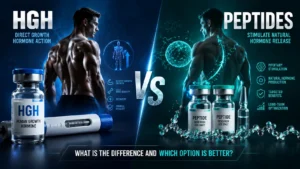
One category includes peptide-based therapies and hormone-support supplements. Certain peptides are promoted for their potential connection with recovery, sleep quality, or natural hormone support. However, these products do not work in exactly the same way as pharmaceutical HGH, and their effects may vary depending on the individual, dosage, and overall health condition.
Lifestyle improvements are another commonly recommended alternative. Since natural HGH production is strongly connected with sleep, recovery, nutrition, and exercise, improving these factors may help support healthier hormone balance naturally. While these approaches may not produce dramatic short-term changes, they are generally safer and more sustainable for long-term health.
Some people also consider alternatives because they want to avoid the legal restrictions and high costs associated with prescription HGH. However, it is important to remember that lower-cost options should still be evaluated carefully. Even legal supplements or peptides should be researched properly before use.
More affordable approaches may include:
- recovery-focused wellness routines;
- sleep and nutrition improvements;
- peptide-based therapies under supervision;
- medically approved hormone-support strategies.
The safest option is always to discuss treatment goals with a healthcare professional rather than relying on marketing claims or unrealistic promises from online sellers.
Risks Of Cheap HGH Products
Cheap HGH products can carry significant risks, especially when they are purchased from unverified online sellers or black-market sources. Many low-cost products are marketed as pharmaceutical-grade HGH even though they may contain incorrect ingredients, contaminated substances, or little to no actual growth hormone.
One of the biggest concerns is counterfeit manufacturing. Unlike licensed pharmaceutical companies, illegal producers may not use sterile facilities, quality-control testing, or proper storage systems. This increases the risk of contamination, inaccurate dosing, and unstable hormone content. In some cases, counterfeit products may include completely different substances than what is listed on the label.
Another major risk involves incorrect dosage concentration. A product advertised as HGH may contain much lower amounts than expected, while others may contain unsafe concentrations that increase the risk of side effects. Since HGH directly affects metabolism, fluid balance, and hormone regulation, using unreliable products can lead to serious health complications.
Cheap HGH products may also create financial risks because buyers often pay for products that are ineffective or completely fake. Without laboratory verification or prescription oversight, it is difficult to confirm whether the product is authentic.
Warning signs of unsafe HGH products may include:
- unrealistically low prices;
- missing pharmaceutical packaging;
- lack of prescription requirements;
- no manufacturer verification or testing information.
While the high price of legitimate HGH can be frustrating for many consumers, extremely cheap alternatives often come with higher health and safety risks. For this reason, product quality, medical supervision, and legal sourcing should always be prioritized over finding the lowest possible price.